

March 23, 2026
VWAP Trading Strategy
Learn VWAP Full form in trading, its calculation, and top intraday strategies. Discover buy/sell signals, anchored VWAP, and practical tips at Choice.
4 easy steps to Demat account opening
Instantly register with Choice (SEBI-registered broker) via OTP verification
Upload PAN, Aadhaar, & banking details with e-Sign verification & trading preference
Complete Aadhaar authentication & receive account linked to your trading platform
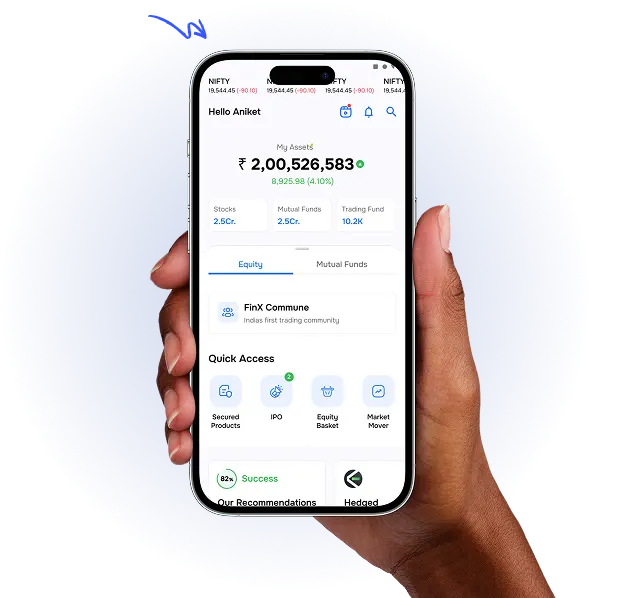
Access FinX app to trade in stocks, mutual funds, & IPOs
Invest in a wide range of financial products with Choice Demat account
Understand how a Demat account simplifies your investment journey

A Demat account, short for Dematerialised account, is a digital account that allows investors to store and manage financial securities such as shares, bonds, exchange-traded funds (ETFs), mutual funds, and government securities in electronic form. Instead of holding physical share certificates, investors can safely keep their investments in a secure digital format.
Opening a demat account simplifies the entire investment process by eliminating paperwork and physical handling of securities. Once you open a demat account online, all your purchased securities are automatically credited to the account and can be accessed anytime through a mobile app or web platform.
Today, the demat account opening process has become quick and completely digital. Investors can submit a demat account application online, complete their KYC verification, and start investing within minutes. After activation, the account connects with stock exchanges through a broker, enabling seamless buying, selling, and tracking of investments in real time.
For anyone planning to invest in stocks or other market instruments, opening a free demat account acts as the first step toward participating in India’s growing capital markets.
A demat account works through a three-layer system consisting of the investor, the Depository Participant (DP), and the central depository. When you open a demat account online, your broker or financial institution acts as the DP that connects your account to either National Securities Depository Limited (NSDL) or Central Depository Services Limited (CDSL), the two depositories operating in India.
Here’s how the process typically works:
1. Placing an Order
After you open a trading account and link it with your demat account, you can place buy or sell orders through a trading platform.
2. Settlement of Securities
When a purchase order is executed, the securities are credited to your demat account within the T+1 settlement cycle.
3. Storage of Investments
The securities remain stored safely in electronic form until you decide to sell or transfer them.
4. Selling Securities
When you sell shares, the system debits them from your demat account, and the sale amount is credited to your linked bank account.
This integration between the trading account and demat account ensures smooth transactions, efficient portfolio management, and automatic credit of dividends, bonus shares, or rights issues.
A demat account provides several advanced features that simplify investing for both beginners and experienced traders.
Secure Digital Storage
A demat account protects your investments through advanced security systems such as encrypted data transfer, two-factor authentication, and regulatory safeguards.
Real-Time Portfolio Tracking
Once you open a demat account, you can monitor your investments in real time. Mobile apps and web dashboards provide instant updates on portfolio value, profits, and losses.
Automatic Corporate Actions
Corporate benefits like dividends, bonus shares, stock splits, and rights issues are automatically credited to your demat account without manual processing.
Research and Market Insights
Many platforms offering free trading accounts and demat services also provide integrated research tools, technical analysis charts, and expert insights to help investors make informed decisions.
Multiple Investment Options
Modern platforms allow investors to trade in multiple segments, including:
These features make the demat account opening process an essential step for anyone entering the stock market.
Choosing to open a demat account online offers several advantages that improve the overall investment experience.
Better Security
Electronic storage removes risks associated with physical share certificates, such as theft, damage, or forgery.
Faster Transactions
The digital system ensures faster settlements under the T+1 cycle, enabling quick reinvestment opportunities.
Cost Efficiency
Investors can save costs as electronic transfers reduce paperwork, stamp duties, and administrative charges.
Easy Share Transfers
Transferring shares to another account becomes quick and hassle-free when investments are held digitally.
Simplified Portfolio Management
A demat account provides consolidated reports, tax statements, and transaction records that help investors manage their finances efficiently.
Opening a demat account provides several practical advantages for investors.
Paperless Investing
The entire process - from demat account application to trading - can be completed online without physical documentation.
Access to Capital Markets
When you open a demat account, you gain direct access to stock markets, IPOs, mutual funds, and other financial instruments.
Loan Against Securities
Investors can pledge shares in their demat account to obtain loans without selling their investments.
Transparent Records
Every transaction is recorded digitally, allowing investors to track holdings, profits, and tax liabilities easily.
With the increasing availability of free demat account opening, investors can start their investment journey with minimal costs.
To complete the demat account opening process, investors need to submit certain documents.
Mandatory Documents
Identity Proof
Address Proof
Bank Account Details
Photographs
Additional Documents (if required)
These documents help verify your identity before your demat account application is approved.
A demat account serves a different purpose compared to traditional financial accounts.
Demat Account vs Savings Account
A savings account stores cash and generates interest, whereas a demat account holds securities electronically.
Demat Account vs Trading Account
A trading account allows investors to buy and sell securities, while a demat account stores those securities after purchase.
Demat Account vs Fixed Deposit
Fixed deposits offer fixed returns, whereas investments held in a demat account are market-linked and may provide higher returns depending on market performance.
Many brokers offer free demat account opening to attract investors, while some premium accounts provide additional services.
Free Demat Account
Benefits include:
Some brokers also offer a free demat account with no annual charges for a limited period or under specific conditions.
Paid Demat Account
Paid accounts may include:
Investors should compare services before deciding whether to open a demat account through a free or paid plan.
Modern demat platforms provide various facilities that simplify investing.
Trading and Investment Access
After you open a trading account and link it to your demat account, you can invest in:
Portfolio Management Tools
Most platforms provide:
Research and Market Insights
Integrated tools offer market news, expert recommendations, and technical charts to help investors make strategic decisions.
These services ensure investors can easily manage their investments through a single digital platform.
Different types of investors can open a demat account online based on their eligibility.
Individual Investors
Resident Indians
Indian citizens above 18 years with a PAN card and valid KYC documents can easily open a demat account.
Minor Accounts
Minors can also have demat accounts operated by parents or guardians until they turn 18.
Special Categories
NRIs
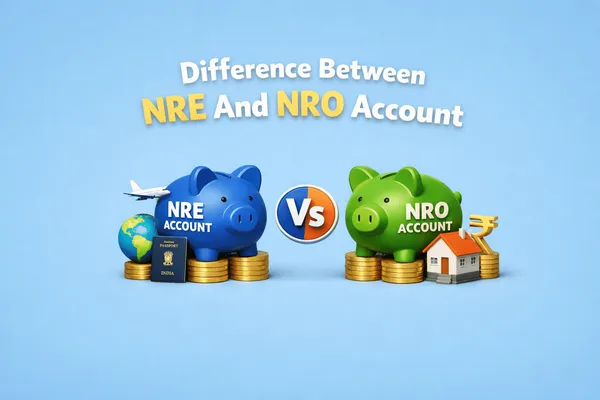
Non-resident Indians can open NRE or NRO demat accounts under FEMA regulations.
Corporate Entities
Companies and partnership firms can open specialized accounts for corporate investments.
HUF Accounts
Hindu Undivided Families can open demat accounts for collective family investments.
Opening a demat account is essential for anyone interested in investing in financial markets.
Regulatory Requirement
According to Securities and Exchange Board of India (SEBI) regulations, securities must be held in electronic form for trading in stock markets.
Market Participation
Without a demat account, investors cannot participate in stock trading, IPOs, or many mutual fund investments.
Wealth Creation
A demat account acts as the foundation for building diversified portfolios across equities, ETFs, bonds, and other financial instruments.
Investors searching for a demat account near me can now conveniently complete the entire demat account opening process online from home.
Regular Demat Account
Designed for resident Indian investors for trading and long-term investing.
Minor Demat Account
Allows minors to invest with the help of a guardian.
Joint Demat Account
Multiple account holders manage investments jointly.
HUF Demat Account
Used by Hindu Undivided Families for family investment management.
NRI Demat Account
Designed for NRIs who want to invest in Indian securities.
Understanding key terms helps investors manage their accounts effectively.
Depository Participant (DP)
A broker or financial institution that provides demat account services and connects investors with the central depository.
ISIN (International Securities Identification Number)
A unique code is assigned to each security for identification during trading.
Beneficial Owner
The person who actually owns the securities stored in the demat account.
Dematerialization
The process of converting physical share certificates into electronic form.
Rematerialization
The reverse process of converting electronic securities back into physical certificates.
Corporate Actions
Events initiated by companies include dividends, bonus shares, stock splits, and rights issues.
Choice offers various types of demat accounts to suit your needs
Don’t take our word for it — hear directly from our users
To open a free demat account, you must be:
Yes, you have two options:
Our customer support team can guide you through the process. Depending on your previous broker's policies, please note that charges might be associated with closing your old demat account.